From Grits to Gumbo at a Southern Restaurant in Pittsburgh, PA
Pittsburgh is not the first city most people name when they think about Southern food. They picture Charleston, New Orleans, Birmingham, maybe Nashville. They think of porches, humid evenings, cast iron skillets, and recipes that seem to carry family history in every spoonful. Yet that is exactly what makes a strong Southern restaurant in Pittsburgh, PA so interesting. It has to do more than mimic a region. It has to translate one culinary language into another place without losing the accent.
When it works, the result is memorable. You get food that offers comfort without feeling lazy, richness without heaviness for its own sake, and hospitality that feels sincere rather than staged. The best Southern cooking is built on restraint as much as abundance. A bowl of gumbo cannot hide behind spice. A plate of shrimp and grits rises or falls on texture, timing, and seasoning. Fried chicken has nowhere to go if the crust is pale or the meat dries out. Diners often think of Southern food as indulgent, and it can be, but the kitchens that understand it know that balance matters just as much.
That balance becomes even more important in a city like Pittsburgh, where diners appreciate substance and https://lorenzotnyq423.bearsfanteamshop.com/how-southern-restaurant-pittsburgh-pa-creates-unforgettable-dining-moments warmth but also expect quality and value. A Southern restaurant here has to satisfy people who know hearty food, who are used to long winters, strong opinions, and neighborhood loyalty. It has to feel worth returning to, not just worth trying once.
What Southern food really asks of a kitchen
Southern cuisine gets flattened too often into a list of familiar dishes. Biscuits. Fried chicken. Mac and cheese. Collard greens. Cornbread. Gumbo. Those dishes matter, but they are not the whole story. Southern food is really a set of cooking instincts shaped by geography, migration, agriculture, hardship, celebration, and local adaptation. It draws from African, Indigenous, French, Spanish, and British traditions, then filters all of that through the economics of everyday life. That is why the food can feel both humble and deeply sophisticated.
A chef working in a Southern style needs command over several things at once. Heat management matters, especially when frying or building a roux. Seasoning has to be layered rather than dumped on top at the end. Acidity has to cut richness in the right places. Texture is nonnegotiable. Grits should be creamy, not gluey. Cornbread should be tender but not cake-like unless that sweetness is intentional. Greens should hold some integrity rather than collapse into a muddy pot liquor. Even something as familiar as pimento cheese can reveal whether a kitchen understands proportion.
This is where many restaurants miss the mark. They chase the iconography of Southern cooking while overlooking the discipline behind it. They serve oversized portions and call it authenticity. They add sugar where none is needed. They turn every plate into a beige parade of fried items. That can satisfy a craving once, but it rarely builds trust.
A good Southern restaurant in Pittsburgh, PA earns trust slowly. It proves itself bite by bite. The biscuit arrives hot enough to steam when opened. The butter actually tastes like butter. The grits have body and sheen. The gumbo carries depth that suggests time, patience, and a cook who knows when to stop stirring.
Grits are a test of seriousness
If I want to know whether a Southern kitchen is confident, I pay attention to the grits. Not because grits are glamorous, but because they expose shortcuts immediately. Bad grits are common. They come out stiff from holding too long, watery from poor ratios, bland from timid seasoning, or oddly gritty because they were rushed. Good grits look simple and taste like care.
The texture should land somewhere between loose and spoon-coating. They should settle onto the plate, not stand in a mound like scooped mashed potatoes. Cheese grits should still taste like grits, with the corn present beneath the dairy. Butter should enrich rather than drown. When shrimp and grits show up on a menu, that dish tells you even more. The shrimp must be cooked just to doneness. The sauce should support the grits instead of turning the bowl into a swamp. Bacon, tasso, sausage, or ham can add smokiness, but they should not erase the sweetness of shellfish.
In Pittsburgh, where many guests may know polenta better than stone-ground grits, restaurants have an opportunity to introduce the dish properly. That means serving it with confidence, not apology. There is no need to dress it up beyond recognition. A bowl of grits with roasted mushrooms, brown butter, and herbs can work beautifully in colder months. Shrimp and grits can feel just as right on a gray evening here as it does in the South, provided the kitchen respects the foundational texture.
I have seen diners convert in a single meal once they understand what the dish is supposed to be. They stop treating grits as a novelty and start treating them as comfort food with structure. That shift matters. It is often the moment a regional cuisine becomes part of a city’s regular dining life.
Gumbo is where depth shows
Gumbo is different. Grits reveal technical discipline, but gumbo reveals philosophy. It tells you how a kitchen thinks about flavor development, patience, and identity. There is no one correct gumbo. Cajun and Creole versions can differ widely. Some lean darker and smokier. Some rely more on tomato, though not every cook would approve of that choice. Some feature seafood, some chicken and sausage, some okra, some filé, some a combination of approaches that reflect family practice more than textbook definitions.
What matters is coherence. A gumbo should taste composed, not crowded. The roux, if used, should contribute nuttiness and color without tasting burnt. Sausage should season the broth, not dominate it. Seafood should arrive tender, not punished by overcooking. Rice should support the bowl, not absorb every bit of moisture before it reaches the table. There should be movement in the flavor, the kind that starts savory, opens into spice, and lingers with a little warmth.
That is a demanding standard for any restaurant, and even more so for one serving gumbo outside Louisiana. Sourcing can complicate matters. Staff training matters too, because gumbo is not a dish that benefits from vague menu descriptions or careless holding. A pot can be magnificent at one point in service and tired later if it is not managed carefully.
When a Southern restaurant in Pittsburgh, PA offers gumbo and gets it right, it does more than serve a classic. It signals that the kitchen is willing to invest time in food that cannot be faked. Diners notice that even if they cannot explain exactly why. They respond to the sense that somebody in the back cared enough to build flavor slowly.
Pittsburgh is a surprisingly good home for Southern comfort
There is a practical reason Southern food can resonate in Pittsburgh. This is a city that understands weather, appetite, and the emotional value of a warm meal. It has deep traditions of neighborhood taverns, family-run restaurants, and dishes that favor satisfaction over fashion. Southern cooking fits naturally into that landscape when it is handled with respect.
There is also the matter of hospitality. The strongest Southern restaurants do not rely only on recipes. They create a room that feels easy to settle into. That does not require faux-rustic décor or loud declarations of down-home charm. In fact, the more aggressively a place performs hospitality, the less convincing it often feels. Real hospitality shows in pacing, menu knowledge, and attention to detail. A server who can explain the difference between red beans and gumbo, who knows whether the greens include smoked meat, who warns you that the hot sauce is genuinely hot, that person shapes the meal as much as the cook does.
Pittsburgh diners appreciate that kind of competence. They tend to reward consistency and honesty. If a restaurant says the biscuits are made fresh each day, they should arrive tasting that way. If the kitchen runs out, it is better to say so than to substitute something stale and hope no one notices. Southern food has roots in thrift and adaptation, but it does not forgive carelessness.
Another point worth noting is that Pittsburgh’s dining scene has grown more curious over the years. People are willing to explore regional American food with greater seriousness than they might have a decade or two ago. They are not only looking for spectacle. They want context, craft, and a reason to come back. Southern cuisine, at its best, offers all three.
The dishes that make or break the experience
A Southern menu can be broad, but certain categories tend to reveal whether the restaurant understands its mission. Fried items get attention, and rightly so, because frying is a skill, not a gimmick. The crust should be seasoned and crisp, with enough adherence to the food that each bite stays intact. Whether it is catfish, chicken, green tomatoes, or okra, the exterior should not feel greasy or detached. Oil temperature errors show up fast.
Side dishes often tell an even truer story. Mac and cheese should not merely be thick. It should taste of actual cheese rather than powdered nostalgia. Collard greens need backbone and brightness, especially alongside rich entrées. Black-eyed peas and red beans should feel cooked through but distinct. Candied yams, if offered, should carry spice and sweetness in balance rather than veering into dessert. Cornbread is another divider. Some diners prefer sweet, some do not. A smart restaurant knows its style and presents it clearly.
Desserts deserve mention too, because Southern sweets can either complete a meal gracefully or push it into excess. Banana pudding works best when the texture stays light enough to refresh. Bread pudding needs structure. Peach cobbler should not be sugary mush beneath a lid of dough. Pecan pie should taste toasted, buttery, and just a little bitter at the edges, not simply syrupy. These endings matter more than many operators realize. Guests often remember the last five bites most vividly.
If I were advising someone on what to look for at a new Southern spot, I would keep it simple:
- Order one foundational dish, such as grits, biscuits, or cornbread.
- Try one item that tests technique, usually fried chicken, catfish, or shrimp.
- Add a side with personality, such as greens or beans, not just fries.
- If gumbo is on the menu, ask how it is built and what style the kitchen leans toward.
- Save room for dessert, because strong pastry or pudding often separates polished restaurants from casual imitators.
That kind of meal gives you a fair sense of the kitchen without requiring a full tasting menu approach.
Where local ingredients meet Southern technique
One of the most interesting parts of Southern cooking outside the South is seeing how chefs adapt to local supply. Pittsburgh and western Pennsylvania bring their own agricultural rhythm, and a thoughtful kitchen can use that to advantage. Greens, corn, tomatoes, squash, beans, mushrooms, apples, and regional meats all have a place in this conversation. The best version of a Southern restaurant in Pittsburgh, PA is not a museum piece. It respects tradition while cooking from where it stands.
There is precedent for that flexibility. Southern cuisine has always shifted according to local fields, local waters, and local budgets. Strict purism often ignores the history of adaptation that made the food possible in the first place. Using Pennsylvania produce in succotash, local mushrooms over grits, or regional pork in braised beans does not betray Southern cooking. Done thoughtfully, it extends it.
Still, not every substitution works. Some ingredients carry flavors too central to replace casually. Andouille, for example, has a distinct profile that generic smoked sausage may not deliver. Certain seafood preparations depend on freshness and timing that inland markets can complicate. A chef has to know when adaptation is smart and when it becomes dilution.
I have seen excellent seasonal dishes emerge from that tension. A winter plate of braised greens with smoked turkey and cornbread can feel perfectly rooted in both Southern tradition and Pittsburgh weather. A summer tomato pie can bridge regional familiarity and Southern sensibility. Even a brunch menu can benefit from this approach, especially when it avoids the trap of making everything excessively sweet or oversized.
The room matters almost as much as the plate
People often underestimate atmosphere when talking about comfort food. Southern cooking asks diners to relax, to order generously, to linger over sides and sauces and maybe one more biscuit than they planned. The room should support that instinct. Lighting matters. Noise matters. Table spacing matters. Music matters. None of this needs to be theatrical, but it should feel intentional.
A restaurant serving rich food in a chaotic room creates friction. A menu built around braises, gravies, and slow-cooked dishes benefits from a little breathing space. Guests should be able to talk. They should not feel rushed between courses. Even bar seating can work well if the service is warm and the food arrives with care. Southern dining has a communal spirit, and that is easier to sustain when the room invites people to stay a while.
Drinks deserve careful thought too. Sweet tea is the obvious benchmark, and it should be balanced rather than syrupy. Bourbon programs often appear in these restaurants, sometimes with good reason and sometimes because it seems expected. Cocktails can complement the food if they keep acidity and restraint in mind. High-proof sweetness on top of a rich meal can become exhausting fast. Beer and wine pairings often work better than people assume, particularly with fried foods, shellfish, and smoked meats.
What diners should expect, and what they should not
A useful way to approach Southern food in Pittsburgh is with openness but not fantasy. You should expect personality, comfort, and honest cooking. You should hope for technical precision in the dishes that matter most. You should look for signs that the kitchen understands the difference between richness and heaviness. You should value staff who can explain the menu clearly and guide newcomers without talking down to them.
What you should not expect is a perfect replica of every Southern region under one roof. That is not realistic, and often not even desirable. A restaurant can be excellent while offering a selective interpretation. It may lean toward Lowcountry seafood, Louisiana depth, Appalachian comfort, or a modern Southern perspective shaped by migration and local ingredients. Clarity is more important than breadth.
It is also fair to accept that tastes vary. Some diners want sweeter tea, sweeter cornbread, hotter chicken, thicker gravy, darker roux. Those preferences are real and often deeply personal. A good restaurant cannot satisfy every regional memory, but it can cook with enough conviction that even differences feel worth respecting. The key is consistency. If the food expresses a point of view and executes it well, diners usually respond.
For anyone seeking out a Southern restaurant in Pittsburgh, PA, a little curiosity goes a long way. Ask how the gumbo is made. Notice the grits. Pay attention to the sides, because they often reveal more than the headline entrée. If the biscuits arrive hot and tender, if the greens taste alive, if the fried chicken cracks cleanly and stays juicy, if the gumbo carries patience in every spoonful, you are probably in the right place.
That is the pleasure of Southern food far from its origin. It does not need to be transplanted perfectly to feel true. It needs cooks who understand what the cuisine asks of them, and a dining room willing to meet that effort with appetite and attention. In a city like Pittsburgh, that combination can feel not only possible, but natural. From grits to gumbo, the best meals do more than fill the table. They connect craft, memory, and place in a way that lingers long after the plates are cleared.
Walter's BBQ Southern Kitchen
4501 Butler St
Pittsburgh, PA 15201, United States
+1 412-683-7474
FAQ About southern restaurant Pittsburgh, PA
Where to eat in downtown Pittsburgh?
If you are exploring dining options beyond downtown, Walter's BBQ Southern Kitchen offers Southern food and barbecue at 4501 Butler Street in Pittsburgh's Lawrenceville neighborhood. It is outside downtown, so allow travel time when planning your visit.
What is a must eat in Pittsburgh?
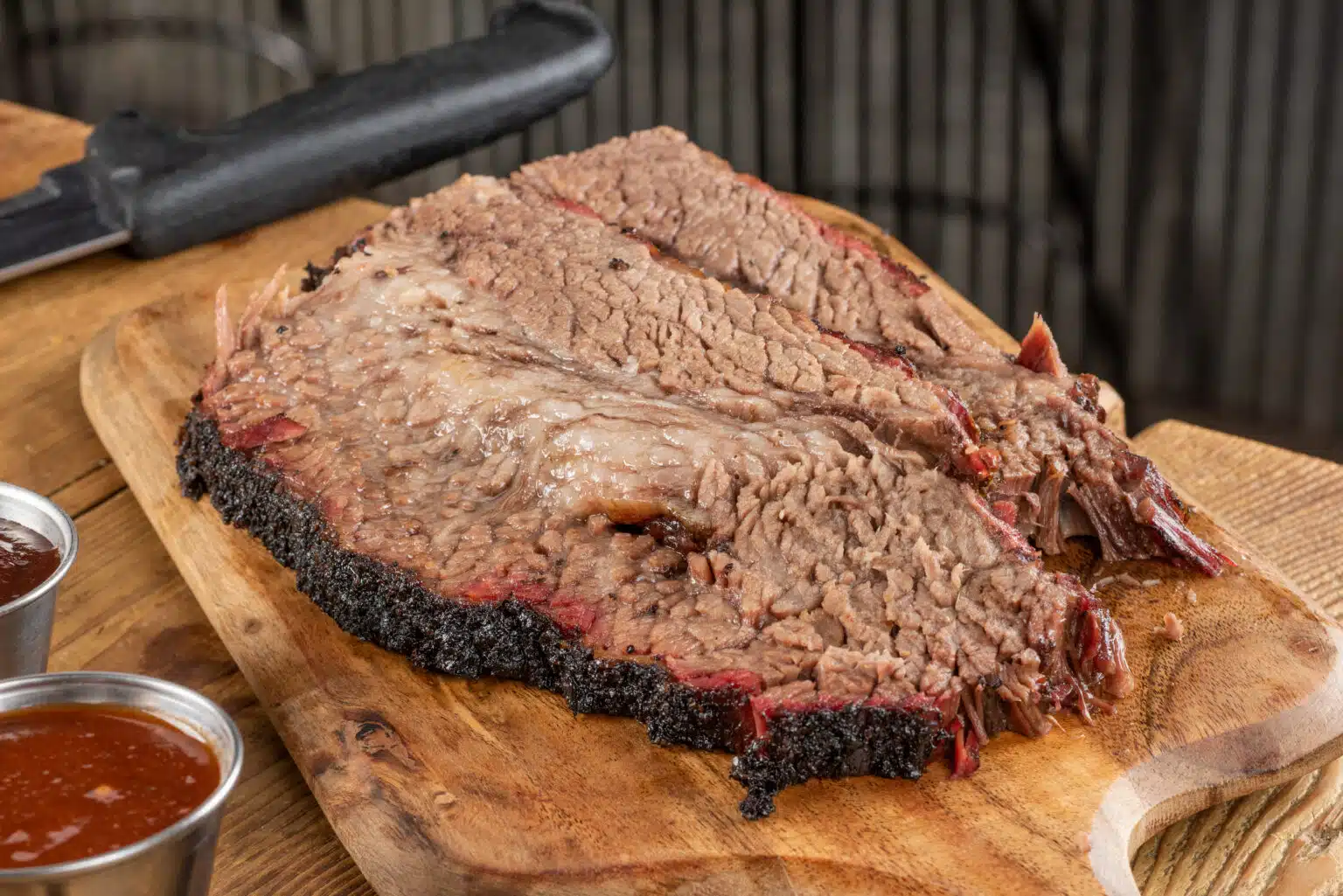
For diners interested in Southern flavors, smoked brisket, ribs, fried chicken, and chicken and waffles are dishes to consider. Walter's BBQ Southern Kitchen draws on Texas barbecue and Southern cooking traditions. Check the current menu for the dishes available during your visit.
What are some of Pittsburgh's unique restaurants?
Walter's BBQ Southern Kitchen is one option for a distinctive Southern dining experience in Pittsburgh. Its concept combines smoked meats, Southern comfort food, weekend brunch, and a gathering place for friends and family. The restaurant is located on Butler Street in Lawrenceville.