How to Spot an Authentic Irish Pub NYC Visitors Will Love
New York has no shortage of places with Guinness signs in the window, dark wood behind the bar, and a menu that promises shepherd’s pie. That does not make every spot an authentic Irish pub. In a city where themes are easy to stage and nostalgia sells well, the difference between a real pub and a carefully designed imitation is usually found in the details, not the décor alone.
Visitors looking for an Irish Pub NYC experience often start with the obvious markers. They search for live music, fish and chips, a decent pour of stout, maybe a snug corner and a friendly bartender. Those things matter, but authenticity runs deeper. A true Irish pub has a certain ease to it. Nothing feels overworked. The room invites conversation instead of performance. The bar is built for regulars, but not at the expense of newcomers. It feels lived in, not assembled.
That distinction matters more in New York than almost anywhere else. The city has generations of Irish immigration behind it, from old neighborhood bars in the Bronx and Queens to polished Midtown houses serving a mix of office workers, tourists, and longtime locals. Some pubs preserve a social tradition that traveled across the Atlantic and adapted to New York life. Others borrow the look and miss the soul.
If you want to find a place NYC visitors will genuinely love, and one that holds up under a second or third visit, it helps to know what to look for before you order the first pint.
The room should feel comfortable, not theatrical
A convincing Irish pub is warm, but it should not feel like a movie set. This is where many places get it wrong. They lean too hard into nostalgia, covering every wall with random old signs, flags, antique farm tools, and framed black and white photos that appear chosen by a prop stylist rather than someone with a connection to the culture.
Authentic pubs tend to show restraint. The wood may be polished, but it is rarely flashy. Mirrors, brass rails, and etched glass can all be part of the look, especially in pubs built or imported by Irish craftspeople, which does happen in New York. Still, the room should function first. Stools are there to be sat on for a while. Tables are close enough for energy, not so packed that nobody can talk. Lighting should flatter the room and the people in it, not force everyone to shout over a faux festive atmosphere.
One of the easiest tells is whether the pub seems designed around photographs. If every corner begs for a social media post, the place may be performing Irishness instead of living it. A real pub can be handsome, even beautiful, but its beauty usually comes from use. The brass has been touched. The floor has traffic. The bar top carries the wear of years. That patina is hard to fake convincingly.
In Manhattan, especially in heavy tourist zones, you will find plenty of bars that have the right color palette and none of the right feeling. They look good from the sidewalk. Once inside, the music is too loud, the room too bright, and the menu reads like a generic sports bar with Celtic trim. Visitors often sense this instinctively, even if they cannot yet name why it feels off.
The staff sets the tone more than the menu
People often judge a pub by the food or the beer list, but the clearest signal is usually the way the room is run. In a proper Irish pub, hospitality is not scripted. It is attentive without hovering, quick without rushing, and personable without turning every interaction into a performance.
A good bartender in this setting knows how to read the bar. They will give a solo traveler enough space, answer questions without impatience, and keep an eye on the couple trying to decide between another round and the check. They may have a bit of wit, they may not. Charm is welcome, but it is not the point. Competence is. Pints arrive in good condition. Orders are remembered. Regulars are acknowledged, but first time guests are not made to feel like intruders.
This is one of the strongest reasons visitors return to certain pubs and quietly avoid others. The best places know how to fold you into the room. You are not being sold an experience, you are being allowed into one.
That matters in New York, where bars can lean transactional. In a true pub, the exchange feels older than the point of sale system. There is a social contract at work. Staff maintain order, keep the mood steady, and make the place feel inhabited rather than managed. If a bartender can chat about whiskey, recommend a second beer, and still keep the line moving on a busy Friday, you are probably in capable hands.
A proper pint still matters
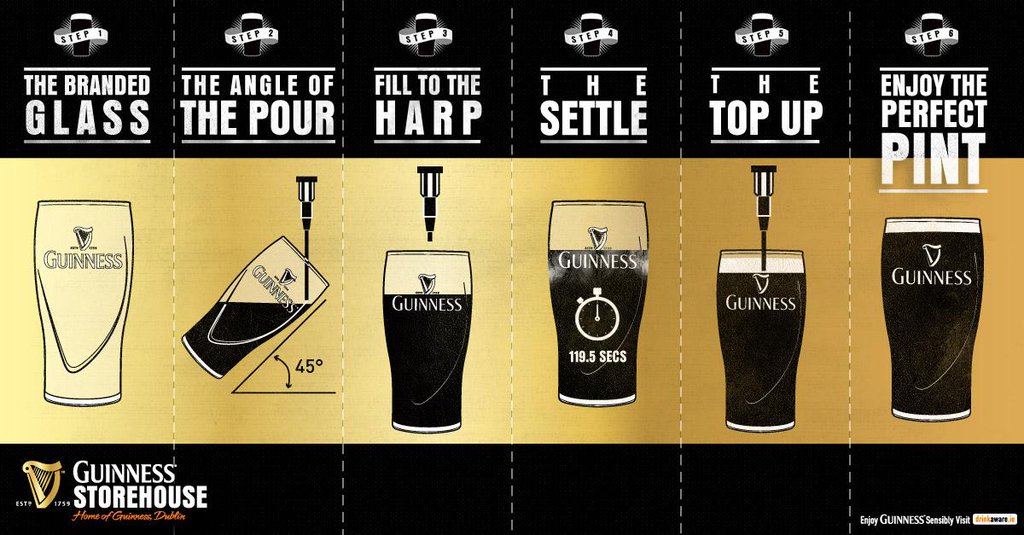
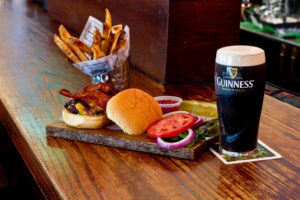
No conversation about an Irish pub can avoid the Guinness question. It is not the only measure of quality, but it remains a useful one. A bad pint in a place calling itself Irish is a warning sign, especially if stout is central to the identity of the bar.
The issue is not mystique. It is cellar practice, line cleanliness, gas balance, glassware, and patience. A properly poured pint should look right, feel right in the hand, and drink fresh. In New York, where volume varies wildly from one venue to another, this is not guaranteed. A pub that moves plenty of stout usually serves it better. Fast turnover helps. So does a team that cares enough not to rush the pour or serve a tired pint because the room is busy.
That said, authenticity is not a single beer brand. Some excellent pubs also keep a thoughtful tap list with Irish lagers, red ales, and local options. Others have a whiskey selection that reflects genuine interest rather than a collector’s impulse. A shelf crowded with expensive bottles tells https://blogfreely.net/miliontesk/what-makes-an-irish-pub-nyc-experience-so-memorable you very little on its own. What matters is whether the list feels curated for drinkers, not just display.
Food works much the same way. You do not need a giant menu to prove authenticity. In fact, smaller often reads better. A few staples done well, a solid burger, good soup, proper brown bread if the kitchen can manage it, maybe a daily special with some confidence behind it, that goes further than ten pages of pub clichés. Corned beef is common in Irish American bars, though less representative of everyday eating in Ireland than many visitors realize. Shepherd’s pie can be comforting, but it should not be the entire argument.
If the menu seems built entirely from tourist expectations, be cautious. If it looks like food people actually order on a wet Tuesday, that is more promising.
Listen to the sound of the place
One reliable test takes about thirty seconds. Stand still and listen.
In an authentic pub, the dominant sound is usually conversation. Not silence, not chaos, conversation. Even when there is music, whether a session in the corner or recorded songs overhead, the room should still belong to the people in it. If the playlist dominates every table, the place is functioning more like a bar with an Irish theme.
Traditional music can be a wonderful sign, but it is not a guarantee. Some genuine pubs host excellent sessions. Others rarely do. And some of the least convincing venues hire loud, crowd-pleasing acts to create a ready-made version of Irishness for weekend traffic. The question is whether the music belongs to the pub or has been dropped in as entertainment.
There is also a difference between energy and noise. New York pubs can get packed, especially around sports, holidays, and after-work hours. That does not make them less authentic. A crowded room can still feel grounded. The trouble starts when every element pushes toward spectacle, televisions blaring from every wall, servers shouting over club-level volume, novelty playlists drowning out any chance of conversation. That is a very different proposition.
The best Irish pubs in the city understand pacing. A lunch crowd feels different from an evening crowd. A Sunday afternoon session feels different from a pregame rush. The room changes with the hour, but the core identity stays intact.
Regulars are a good sign, but so is balance
Visitors often romanticize the local pub full of regulars who have occupied the same stools for twenty years. That picture has truth in it, but only partly. A pub that serves only insiders can be uncomfortable for newcomers. A pub built entirely for one-time visitors can feel hollow. The sweet spot is balance.
A strong neighborhood pub in New York will often have layers of loyalty. You might see retirees in the early afternoon, office workers at five, families or friends meeting for dinner, and a mixed crowd later on. If the room has different kinds of people using it naturally, that is a healthy sign. It suggests the pub is part of a community rather than a niche performance.
This is where location matters. In areas like the East Village, Hell’s Kitchen, the Financial District, Woodlawn, or parts of Queens, the idea of an Irish pub means slightly different things. Some lean old school and neighborhood driven. Others serve a more transient crowd but still keep the bones of the tradition. Authenticity does not require sameness. It requires coherence.
A pub can welcome tourists and still remain real. In fact, many of the best do. They know visitors are part of New York life. What you want to avoid is the place where every choice is engineered to flatter the visitor’s expectations while ignoring what would make locals come back on a rainy Wednesday.
Signs that usually mean you are on the right track
If you want a practical way to assess a pub quickly, look for a few quiet signals rather than one grand gesture.
- The bar has regulars, but newcomers still get warm service.
- The drink program is handled with care, especially the stout and whiskey.
- The room supports conversation better than spectacle.
- The menu is focused, credible, and not built entirely from stereotypes.
- The overall atmosphere feels settled, not staged.
None of these points alone proves authenticity. Together, they form a pattern. That pattern tends to be more reliable than any single visual cue.
Beware of St. Patrick’s Day logic
Many visitors search for an Irish Pub NYC destination in March, and that is understandable. The city’s Irish heritage is highly visible around St. Patrick’s Day. The problem is that holiday crowds can hide the true character of a pub. A place that feels spirited and festive once a year may feel generic the other fifty-one weeks.
If you can, judge a pub on an ordinary day. A Tuesday evening tells you more than a parade weekend. So does a late lunch when the room is half full and the staff are not running on event adrenaline. This is when you notice whether the pub has depth. You see how the bartender handles quiet moments, whether the food still arrives with care, whether the room feels inviting without the pressure of a holiday.
Some of the finest pubs in New York are best appreciated exactly then. Not when they are elbow to elbow, but when there is enough calm to watch the place breathe.
Irish owned, Irish staffed, Irish inspired, what actually counts?
This question comes up often, and it deserves a careful answer. Ownership matters, but it is not the sole measure. A pub can be Irish owned and poorly run. It can also be non-Irish owned and deeply respectful of pub culture, with staff, practices, and an atmosphere that honor the tradition. Still, genuine ties do tend to show up in meaningful ways, in the way a back bar is stocked, in how staff talk about drinks, in the events the pub hosts, and in the confidence with which the place resists turning itself into caricature.
The strongest pubs usually have some kind of lineage behind them. Sometimes it is direct family history. Sometimes it is imported craftsmanship, longstanding management, or a staff mix that includes people who know the tradition firsthand. None of this needs to be marketed aggressively. In fact, when it is real, it often is not.
There is also the Irish American dimension, which matters greatly in New York. Some pubs are less replicas of a contemporary Dublin or Galway bar and more expressions of Irish life as it developed in New York neighborhoods over generations. That can be just as authentic, sometimes more so. Heritage evolves. A pub in the Bronx with deep community roots may tell a truer story than a polished downtown venue trying to mimic a postcard image of Ireland.
Food, sport, and sentiment, getting the balance right
A lot of visitors want the full package. They want football on one screen, rugby on another, a perfect pint, hearty food, and maybe a song before the night is over. There is nothing wrong with that. Irish pubs have long been places where food, sport, drink, and music meet. The challenge is balance.
Sports should energize the room, not dominate it at all hours. Food should support the identity of the pub, not fight it. Sentiment should be present, but not syrupy. The best places avoid overexplaining themselves. They do not need a paragraph on the menu about the meaning of hospitality. They just practice it.
I have found that visitors often remember the smallest things. The bartender who noticed an empty glass without hovering. The older couple at the end of the bar who made room on a crowded night. The seafood chowder that was far better than expected. The absence of pressure to turn the table in sixty minutes. Those details are not accidental. They come from a pub culture that values repeatability, the sense that a good night here should be possible again tomorrow.
That is another mark of authenticity. A real pub is not trying to peak once. It is trying to hold a standard every day.
How visitors can choose well without overthinking it
You do not need a scholar’s knowledge of Irish pub history to pick a good one in New York. A little observation goes a long way. Slow down when you walk in. Look at the bar before the menu. Notice who is there, how they are being treated, and whether the room seems to know itself.
If you are deciding between several places, trust consistency over hype. A pub with a modest exterior and a steady local crowd often beats the one with the giant shamrock sign and endless promotional slogans. Read recent reviews carefully, not for star ratings alone, but for recurring specifics. People mention good service, quality pours, and a welcoming room when those things are genuinely present. They also reveal when a place is all atmosphere and no substance.
It helps to know what kind of experience you want. If you are after a quiet pint and conversation, seek out a pub that feels neighborhood rooted. If you want live music and a bustling room, choose somewhere known for that tradition, but still pay attention to whether the hospitality feels real. New York is big enough to support both.
For visitors, the ideal Irish pub is not necessarily the oldest, the loudest, or the most famous. It is the one that gives you a true sense of ease, the one where a second round feels like a good idea because the room has earned your trust. In a city crowded with options, that is not a small thing.
An authentic Irish pub does more than serve beer and nostalgia. It creates a setting where people can settle in, talk properly, eat well, and feel, for an hour or two, less like customers and more like company. That is what visitors remember. It is also why the best ones in New York never need to try too hard. They already know what they are.
Hibernia Bar
401 W 50th St
New York, NY 10019, United States
Phone: +1 212-969-9703
FAQ About Irish Pub NYC
What is the best Irish pub in NYC?
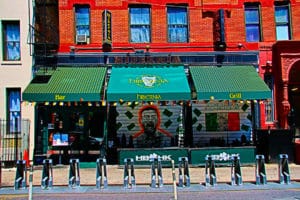
The best choice depends on your location and preferred atmosphere. Hibernia Bar is a neighborhood Irish pub in Hell's Kitchen offering Guinness, Irish whiskey, pub food, and sports viewing.
Where do Irish people go in NYC?
New York's Irish community gathers in many neighborhoods and venues. Hibernia Bar welcomes Irish expats, local residents, and visitors at 401 W 50th St, just off Ninth Avenue.
Where can I watch GAA games in New York?
Hibernia Bar lists GAA among the sports it shows. Call +1 212-969-9703 to confirm coverage and opening times for a particular match before visiting.
What is the difference between a bar and a sports bar?
A sports bar emphasizes televised games and a shared viewing atmosphere. Hibernia combines sports viewing with the food, drinks, and hospitality of a neighborhood Irish pub.