Irish Pub NYC Inspiration for Your Next Manhattan Outing
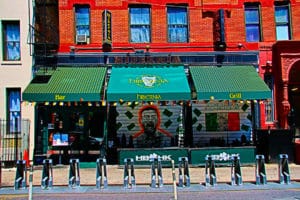
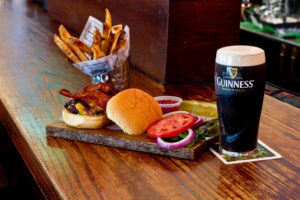
Manhattan has no shortage of places to get a drink, but an Irish pub occupies its own category. The best ones are not trying too hard. They understand the difference between atmosphere and gimmick, between a polished room and a room with memory. You feel it in the woodwork, in the pace of service, in the way the bartender can handle both a pre-theater couple and a loud after-work crowd without letting the place lose its center.
If you are planning a night out and want something warmer, steadier, and more sociable than the average cocktail bar, an Irish Pub NYC experience is one of the smartest ways to shape the evening. It works for a quick pint before dinner, a full-length catch-up with friends, a date that needs a little texture, or a casual stop on a larger downtown or Midtown itinerary. Manhattan is especially good at this style of outing because the city gives you contrasts within a few blocks. You can step off a fast avenue lined with office towers and into a pub that feels almost insulated from the city’s pace.
That contrast is part of the appeal. A good Irish pub in Manhattan can make a packed weeknight feel manageable. It can also turn an ordinary Saturday into a more grounded kind of city experience, one built around conversation, music, and enough food to keep the evening going.
Why an Irish pub works so well in Manhattan
There are practical reasons people keep coming back to this format. First, the environment is flexible. Manhattan nights often change shape on the fly. One friend is late from work, another suddenly wants dinner, someone suggests one more stop before the train. Irish pubs handle that fluidity well. They are rarely so formal that you feel locked into a script, but the stronger ones still deliver enough quality in food, drink, and service to make the night feel intentional.
Second, they reward mixed groups. Not everyone wants the same thing out of a night in the city. One person wants a proper pour and a familiar stout, another wants whiskey, another wants a burger or shepherd’s pie substantial enough to count as dinner. In the better pubs, nobody feels like they compromised. That is harder to achieve than it sounds, especially in Manhattan, where many venues are either highly specialized or aggressively trend-driven.
Third, Irish pubs age well over the course of an evening. A lot of bars look great at 6:30 and wear thin by 8:00. The music gets louder than the room can support, the crowd presses in, the service starts slipping. A seasoned pub tends to settle into itself as the night deepens. If it is well run, it becomes more alive without becoming chaotic.
The difference between a real favorite and a tourist trap
Not every place with dark wood and a Guinness sign deserves your time. In Manhattan, the line between authentic charm and synthetic pub styling can be thin, especially around transit hubs and heavy visitor corridors. You do not need a place to be old in order for it to be good, but you do want signs that the room is used by regulars, not just processed by passersby.
The first sign is how the staff carry themselves. In a serious pub, bartenders and servers move with confidence rather than performance. They know the beer list, they can recommend a whiskey without turning it into a speech, and they keep the room feeling attended to even when every table is full. There is a kind of calm authority that experienced pub staff have, and you notice it quickly.
The second sign is menu discipline. A dependable Irish pub does not need twenty pages of options. It needs a kitchen that understands comfort food and timing. Fish and chips should arrive hot and crisp, not damp from waiting under a heat lamp. A chicken curry should feel like it belongs in the room, not like an afterthought. Burgers, stews, bangers and mash, soda bread, and brunch staples can all have a place, but the menu should feel coherent.
The third sign is sound. This matters more than many people admit. In the strongest Manhattan pubs, music supports the room rather than dominating it. You can still hear your table. If there is a match on screen, the pub knows how to let sports energize the space without turning every conversation into a shouting contest. That balance is one of the hardest things for city bars to get right, and when they do, you remember it.
Choosing the right neighborhood for the kind of night you want
The phrase Irish Pub NYC covers a lot of ground because Manhattan itself contains several different versions of the city in a single evening. The pub that works for a Midtown Thursday is not always the one you would choose for a Village Saturday.
Midtown has the obvious advantage of convenience. It is easy for groups meeting from different offices or train lines, and a good pub there can save a night that might otherwise feel generic. The challenge is filtering out the places that rely on location instead of quality. Around Penn Station, Grand Central, and the theater district, seek out pubs that have a local following and a stable menu. The payoff is real. A pre-show pint and a solid plate of food can make the whole night feel less rushed.
The Flatiron and Union Square corridor suits people who want a pub as the anchor rather than the whole plan. You can meet for a drink, stay for food, and still walk to another neighborhood if the night develops. This area tends to offer a nice middle ground, less tourist-heavy than the theater district, more navigable than lower Manhattan on a crowded weekend.
The West Village and Greenwich Village bring a different energy. Here the pub can feel more intimate, more woven into the neighborhood. If your idea of a Manhattan outing is long conversation, a little wandering, maybe a second stop for live music or dessert, this part of the island tends to deliver. These pubs are often better for dates and smaller groups, especially if you value atmosphere over speed.
The Financial District and nearby downtown streets can be excellent earlier in the evening, especially after work. Some pubs there have a sharp weekday rhythm, packed from late afternoon into early evening, then calmer later on. If you like a lively crowd with actual personality, not just generic nightlife energy, this can be a strong choice.
The Upper East Side and Upper West Side are sometimes overlooked in these conversations, but that can be a strength. If you want a pub night that feels less performative and more local, uptown often rewards you. There is usually a little more breathing room, and the best places become part of people’s weekly habits rather than just their weekend plans.
Building an outing around the pub, not just a stop at the pub
One mistake people make in Manhattan is treating bars as isolated decisions. The better approach is to use a pub as the center of gravity for the evening. That does not mean over-planning. It means thinking about rhythm.
Suppose you are meeting a friend you have not seen in months. Start with a pub that takes food seriously, because shared plates or full entrées create natural pacing. It gives the conversation time to settle. If the first hour goes well, you can linger over another round rather than rushing to find a second location that may or may not have space. A good pub is forgiving in that way. It allows the night to deepen without forcing the issue.
If the outing is with a larger group, especially one arriving in waves, a pub can function almost like a staging ground. In Manhattan, that matters. People are delayed by trains, office deadlines, and crosstown traffic. In a rigid reservation-only setting, the entire evening starts with friction. In a quality pub, the first arrivals can claim a corner, order a round, and let the gathering happen gradually. It feels more like hospitality and less like logistics.
For dates, the Irish pub is underrated. Not every date needs to happen in a candlelit wine bar where everyone whispers and watches each other perform taste. A pub offers texture. You can talk without strain, order food if the chemistry is right, and let the setting do some of the work. There is something disarming about a room with lived-in warmth. It tends to lower people’s guard in a good way.
Food matters more than people think
There is a persistent habit of treating pub food as secondary, but in Manhattan that is often the dividing line between a forgettable outing and one people repeat. The best Irish pubs understand that food is not just fuel. It shapes how long guests stay, how they drink, and how the room feels at 8:30 versus 10:30.
A proper shepherd’s pie is not merely nostalgic. Done well, it slows the evening down and gives it structure. Fish and chips, if the fry station is competent, is one of the city’s most satisfying casual meals, crisp batter, flaky fish, enough acidity on the side to keep it balanced. A good Irish breakfast or brunch can also reset your view of the format entirely. Many Manhattan pubs are at their best during weekend daytime hours, when the room is bright enough to show its details and the service is less rushed.
Then there is the matter of bread, potatoes, and gravies, the humble things that determine whether a kitchen has standards or just a menu. In my experience, if a pub can get those right, there is a strong chance the rest of the operation is in order. These are not glamorous details, but they are the details regulars notice.
Whiskey menus deserve the same scrutiny. A serious selection does not have to be vast. It should be considered. You want staff who understand the difference between a guest who wants a smooth approachable pour and one who wants something with more character. The same goes for stout. A Guinness served with care still matters. People can argue all day about whether it tastes different city to city, but anyone who spends time in pubs knows poor line maintenance and rushed pours can flatten the experience quickly.
Timing changes everything
The same pub can feel like three different places depending on when you walk in. That is one reason experienced Manhattan diners and drinkers talk so much about timing. If your goal is comfort and conversation, arriving between 5:30 and 7:00 often gives you the best of the room. You catch the beginning of the energy curve without being swallowed by it.
Later nights have their own value, especially if there is live music or a naturally animated crowd, but you need to want that version of the evening. Some pubs become significantly louder after 9:00, and while that can be fun, it can also reduce the room to a simple volume contest. If you are introducing out-of-town friends to a classic Irish Pub NYC night, earlier is usually wiser. They will actually see the details, taste the food properly, and come away with a truer impression.
Weekend afternoons are another sweet spot many people overlook. There is less pressure, more chance of getting a good table, and enough time to turn the outing into a walk through the neighborhood afterward. In Manhattan, where density often dictates your mood as much as the venue itself, that breathing room counts.
What to order when you want to read the room quickly
Regular pub-goers often assess a place through one drink and one dish. It is not about being picky. It is about understanding how the place thinks. Order a stout or a simple draft beer and notice the temperature, the glassware, the head, the speed of service. None of these elements needs to be ceremonial, but sloppiness shows up fast in uncomplicated orders.
The same principle applies to food. A stew, fish and chips, or burger tells you a lot. Is the kitchen sending out plates that feel assembled, or plates that feel cooked? Are the fries crisp? Is the seasoning awake? Are portions generous in a hospitable way or oversized as a substitute for care? Manhattan diners are sharp judges when it comes to value, and for good reason. At city prices, even casual food should have intent behind it.
If the room has a whiskey list, ask one question and listen to the answer. It can be as simple as wanting a recommendation in a moderate price range. Knowledgeable staff will meet you where you are. Places that are bluffing tend to overtalk.
The social advantage of a pub over trendier nightlife
There is a reason pub culture persists even as Manhattan’s nightlife scene constantly reinvents itself. A pub is social infrastructure. It gives people a place to gather without requiring everyone to love the same music, share the same schedule, or commit to a high-spend evening. In a city where many nights out can start to feel transactional, that is powerful.
You can see this most clearly when a table expands over time. Two people become four, then six. Someone orders another round, another person grabs a plate of fries for the table, someone else decides to stay longer than planned. In many sleek Manhattan venues, that kind of organic growth is hard to accommodate. In a good pub, it feels natural. The room is designed for it, not just physically but culturally.
That social elasticity also makes pubs especially useful during seasonal shifts in the city. In cold weather, they offer refuge without stiffness. In summer, when many people want the evening to feel unforced, they provide an easy transition from work or wandering into something more convivial. Around the holidays, when Manhattan can become both magical and exhausting, a pub often feels like the right scale of celebration.
A few smart ways to make the night go better
There are a handful of habits that improve the experience without making it feel managed.
Arrive a little earlier than your ideal meeting time if you are with a group. In Manhattan, ten or fifteen minutes can be the difference between settling into a comfortable spot and hovering awkwardly by the door.
Choose one person to get there first and start the table. This is especially helpful on Thursdays, Fridays, and pre-theater nights, when good pubs fill in waves rather than gradually.
If you plan to eat, look at the menu before you arrive, but stay flexible. Some rooms are better for a full dinner, others for a round and a few reliable dishes. Reading the pace of the pub is part of the skill.
Treat the bartender or server as a guide, not a vending machine. In a well-run pub, that relationship often improves the night more than any menu hack.
Know whether you want the pub to be the event or the first chapter. Both are valid, but they call for different neighborhoods and arrival times.
When an Irish pub is the wrong choice
A little judgment goes a long way. If your group needs total quiet, highly dietary-specific dining, or a very formal celebratory setting, a pub may not be the best fit. Likewise, if your main priority is seeing and being seen, Manhattan offers plenty of more visibly fashionable rooms.
There are also moments when the city’s pub strengths become weaknesses. Big game days can transform a charming local into a shoulder-to-shoulder scramble. Holiday weekends can amplify amateur-night energy in locations that are normally more balanced. And some Midtown pubs, while perfectly serviceable, function mainly as convenience stops rather than places you would build a memorable evening around. That is not failure, exactly. It is just worth recognizing what kind of room you are walking into.
Still, when the match is right, few formats serve Manhattan better. You get warmth without pretension, structure without stiffness, and enough flexibility to let the city do what it does best, surprise you a little.
Making the most of your next Manhattan pub night
The strongest argument for choosing an Irish pub in Manhattan is not nostalgia, and it is not novelty. It is reliability with character. You know roughly what kind of generosity and atmosphere https://maps.app.goo.gl/c2ekeyx9WzJPnX1V6 you are seeking, but each neighborhood and each pub gives the formula a slightly different expression. One room leans literary and intimate, another lively and communal, another polished enough for clients but relaxed enough for old friends.
That range is why the Irish Pub NYC search remains so useful for locals and visitors alike. It points toward a style of evening that still leaves room for personal taste. Maybe your ideal outing starts with oysters nearby and ends with whiskey in a wood-paneled back room. Maybe it is just one perfectly poured pint, a hot plate of fish and chips, and a walk through Midtown before the last train home. Maybe it is a rainy Sunday afternoon Uptown, where the pub becomes less a destination than a temporary shelter from the city’s speed.
The key is to choose a place that respects the form. Not a costume version of a pub, not a sports bar dressed in Celtic branding, not a room that confuses clutter with soul. Look for steadiness, warmth, a kitchen that cares, and staff who know how to run a room. When you find that combination in Manhattan, you have more than somewhere to drink. You have the backbone of a very good night.
Hibernia Bar
401 W 50th St
New York, NY 10019, United States
Phone: +1 212-969-9703
FAQ About Irish Pub NYC
What is the best Irish pub in NYC?
The best choice depends on your location and preferred atmosphere. Hibernia Bar is a neighborhood Irish pub in Hell's Kitchen offering Guinness, Irish whiskey, pub food, and sports viewing.
Where do Irish people go in NYC?
New York's Irish community gathers in many neighborhoods and venues. Hibernia Bar welcomes Irish expats, local residents, and visitors at 401 W 50th St, just off Ninth Avenue.
Where can I watch GAA games in New York?
Hibernia Bar lists GAA among the sports it shows. Call +1 212-969-9703 to confirm coverage and opening times for a particular match before visiting.
What is the difference between a bar and a sports bar?
A sports bar emphasizes televised games and a shared viewing atmosphere. Hibernia combines sports viewing with the food, drinks, and hospitality of a neighborhood Irish pub.