What to Order at a Jamaican Food Restaurant
Walking into a Jamaican food restaurant for the first time can feel equal parts exciting and slightly intimidating. The aromas hit first, smoke, allspice, thyme, Scotch bonnet, simmered onions, sometimes the sweet warmth of coconut or fried plantain. Then you reach the menu board and realize there is a lot going on. Jerk chicken sits next to curry goat, oxtail, ackee and saltfish, patties, escovitch fish, callaloo, rice and peas, festival, bammy, coco bread. If you did not grow up eating Jamaican food, it is not always obvious what belongs together, what is spicy, what is rich, and what gives you the best first impression of the cuisine.
The good news is that most Jamaican restaurants have a few anchor dishes that tell you almost everything you need to know about the kitchen. They show whether the cooks understand seasoning, patience, texture, and balance. A great order is not just about choosing the most famous item. It is about building a plate that captures the range of the food, savory depth, chile heat, slow-cooked tenderness, fresh acidity, and the comforting starches that make the meal feel complete.
If you want the short answer, start with jerk chicken, rice and peas, and one side you have never tried before. But that only scratches the surface. Jamaican cooking rewards curiosity, and the best orders often mix the familiar with something more traditional.
Start with the dishes that define the kitchen
If I am visiting a Jamaican restaurant I do not know, I usually look at four things first: jerk chicken, curry goat, oxtail, and the side dishes. Those choices reveal whether the restaurant leans toward smoky and bold, rich and gravy-heavy, or homestyle and traditional.
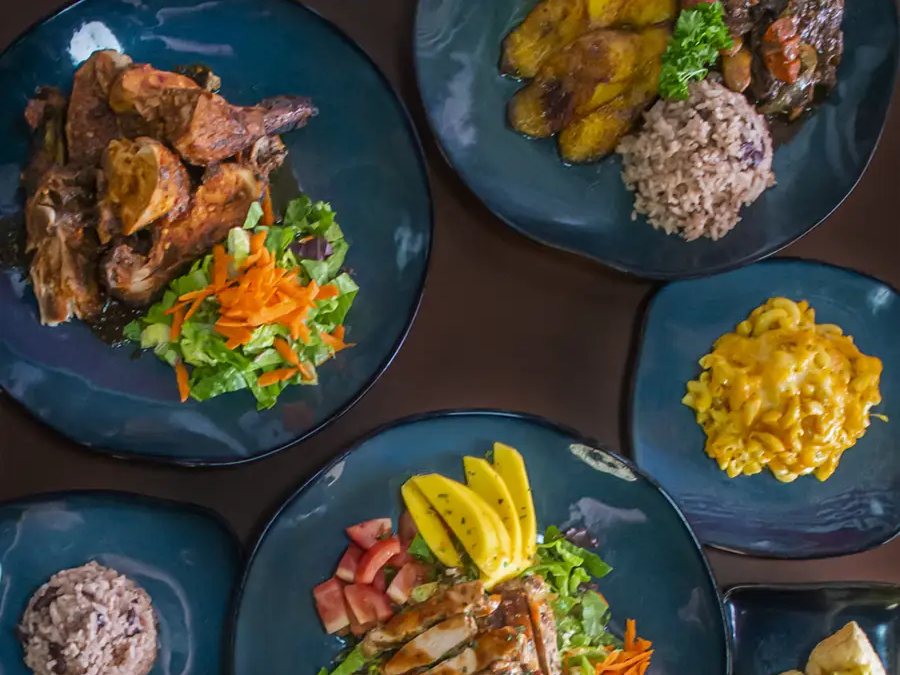
Jerk chicken is often the gateway dish, and for good reason. Proper jerk should carry layers of flavor, not just heat. You want smoke first, then spices like allspice and thyme, then garlic, scallion, and the fruity sting of Scotch bonnet. Good jerk has charred edges, juicy meat, and seasoning that reaches below the skin. If the restaurant cooks over pimento wood or uses a drum-style grill, that is a strong sign you are in capable hands. Even when cooked indoors, the best versions still preserve that dark, almost sticky crust and a deep savory aroma.
Curry goat tells you something different. It is not a dish that can be rushed. The meat should be cooked until tender but not mushy, and the gravy should taste of curry powder that has had time to bloom in oil and mingle with onion, garlic, ginger, and herbs. A weak curry goat tastes one-dimensional, just yellow and salty. A good one has body, complexity, and a slight peppery warmth that builds slowly.
Oxtail is the comfort classic. When it is done right, the meat loosens from the bone with almost no effort, and the sauce is glossy, dark, and rich with browned aromatics, stock, and broad beans. It is expensive at many restaurants, and there is a reason for that. Oxtail takes time, labor, and a willingness to let collagen do its work. If you are willing to spend a bit more, it can be one of the most satisfying things on the menu.
Then there are the sides, and this is where many first-time diners undersell the meal. In Jamaican food, the sides are not filler. Rice and peas, steamed cabbage, fried plantain, festival, and callaloo all have jobs to do. They cool the heat, soak up gravy, add sweetness, or bring freshness to rich meats.
The best first order for most people
If someone asks me what to order on a first visit, I usually steer them toward a plate that balances smoke, starch, and contrast. This combination almost never disappoints:
- Jerk chicken
- Rice and peas
- Steamed cabbage or callaloo
- Fried plantain
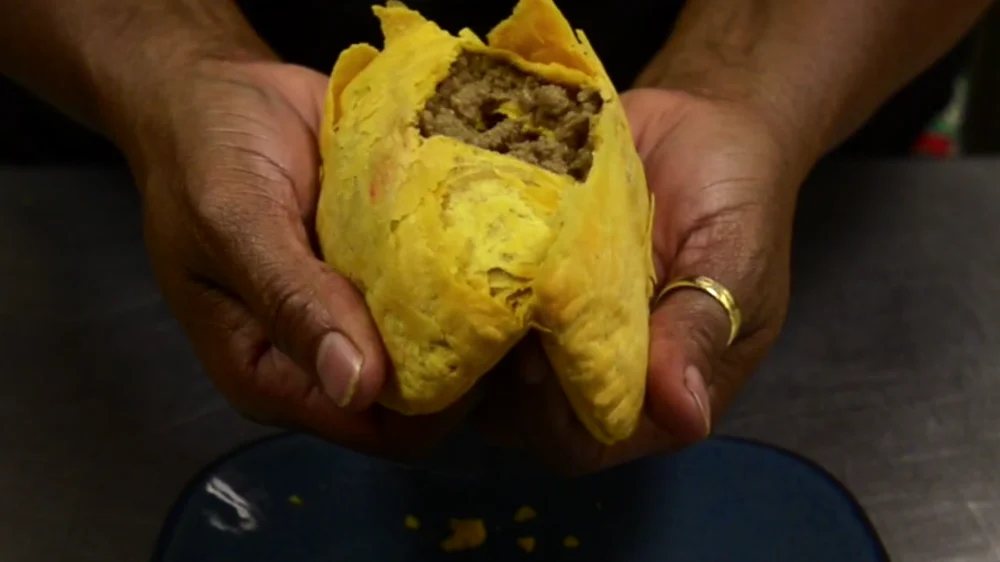
- A beef patty, if you are hungry enough for an extra
That order gives you a broad picture of Jamaican food without veering too far into unfamiliar territory. The jerk chicken brings the signature flavor profile. Rice and peas gives you a gentle, savory base, usually made with kidney beans, coconut milk, thyme, scallion, and spices. Steamed cabbage adds softness and relief, especially if the jerk is fiery. Fried plantain contributes sweetness and caramelized edges. A patty, especially if baked into coco bread, turns the meal into something more playful and more complete.
A lot of people assume rice and peas means rice with green peas. In Jamaican restaurants, it usually means rice cooked with kidney beans or gungo peas, depending on the recipe and season. It is one of those small menu details that can trip up first-timers, but once you know it, the dish makes perfect sense. The beans bring earthiness, and the coconut milk gives the rice a rounded, fragrant quality that plays beautifully against spicy meats.
If you want the most iconic Jamaican food experience
The most iconic order is not necessarily the most expensive or the most adventurous. It is the one that captures the rhythm of the cuisine. That usually means jerk plus a traditional starch, or a braised meat plus rice and peas.
Jerk chicken is still the strongest candidate, especially if the restaurant specializes in it. The ideal piece has blackened bits from the grill, skin that has rendered enough to crisp in spots, and flesh that tastes seasoned all the way through. If the restaurant offers jerk pork and you enjoy fattier cuts, it is worth serious consideration. Jerk pork often carries the seasoning even better than chicken because the fat softens the heat and extends the smoky flavor. It is richer, messier, and sometimes more memorable.
For a braised route, oxtail with rice and peas is as classic a restaurant order as you can get. It is not a light lunch. It is a plate built for appetite and patience. The gravy seeps into the rice, the beans pick up the sauce, and every bite feels substantial. If you have had good Southern braises, stews, or Caribbean curries before, this order will feel familiar in spirit while still tasting distinctly Jamaican.
Curry goat sits right between these two experiences. It has the warmth and comfort of a stew but carries a brighter spice profile than oxtail. It is often the dish I recommend to people who enjoy Indian, Trinidadian, or Guyanese curries and want something connected yet clearly its own.
Dishes that deserve more attention than they usually get
Some of the best things in a Jamaican restaurant are not always the most heavily advertised. They can look modest on a menu board, but they often reveal the kitchen’s range.
Ackee and saltfish is one of them. It is Jamaica’s national dish, and it deserves respect. Ackee has a soft, delicate texture that many people compare loosely to scrambled eggs, though that description only gets you so far. Cooked with saltfish, onion, tomato, scallion, thyme, and pepper, it becomes savory, buttery, and nuanced. This is not the dish to order if you expect heavy sauce or intense spice. It is subtler than that. At breakfast or brunch, especially with fried dumplings, boiled green bananas, or roasted breadfruit, it can be outstanding.
Escovitch fish is another dish that tells you a lot about the kitchen. It is usually a whole fried fish topped with a sharp, vinegary tangle of onions, carrots, and peppers. The fish should be crisp outside, moist inside, and seasoned properly before frying. The escovitch topping should wake up the palate rather than drown it. This dish is for people who enjoy contrast, hot fish against cool acidity, crunch against tenderness, richness against pickled brightness. It can be one of the most elegant things on the menu when handled well.
Brown stew chicken rarely gets the same attention as jerk chicken, but it should. This is the homestyle dish many regulars quietly return to. The chicken is browned, then simmered in a savory sauce with onions, peppers, herbs, and often a little sweetness from ketchup or browning sauce. The result is deeply comforting. If jerk is the extrovert of Jamaican food, brown stew chicken is the steady, dependable favorite you appreciate more with every bite.
Callaloo also deserves mention. Depending on the restaurant, it may appear as a side or part of breakfast. It is leafy, soft, and cooked with onion, garlic, thyme, and sometimes tomato or saltfish. It adds an earthy note that balances richer meats. If your plate feels heavy, callaloo is often the exact thing that makes it feel complete.
How to choose between jerk, curry, and stew
People often stand at the counter and freeze because several dishes sound appealing in completely different ways. The easiest way to decide is to think about what mood you are in and what kind of satisfaction you want from the meal.
Choose jerk if you want smoke, heat, char, and a little edge. It is the most assertive flavor profile, and it usually tastes best when you want something vivid and direct.
Choose curry if you want spice without too much smokiness, sauce you can pour over rice, and meat that has simmered into tenderness. Curry goat is often the most aromatic option.
Choose stew if you want balance and comfort. Brown stew chicken, in particular, rarely overwhelms the palate. It is generous, savory, and easy to return to.
Oxtail sits in its own category because it is less about spice and more about richness, texture, and deep, slow-developed flavor. When people crave oxtail, they usually know it before they even enter the restaurant.
What to order if you do not eat meat
Vegetarian options at Jamaican restaurants vary widely, but when the kitchen puts care into them, they can be excellent. Ital cooking, associated with Rastafarian traditions, often emphasizes natural, minimally processed ingredients. Depending on the restaurant, you might find stewed vegetables, curry chickpeas, callaloo, pumpkin, rice and peas, plantain, cabbage, and soups built around provisions like yam or green banana.
That said, ask a question or two. Some vegetable dishes are cooked with salted meat or seafood for flavor, and rice and peas may occasionally include stock. Most counter staff are used to clarifying this. A straightforward request for fully vegetarian or vegan options usually works better than guessing from the display.
If I were building a meat-free plate, I would look for callaloo, cabbage, plantain, a bean-based dish if available, and a starch like rice and peas or plain rice. Jamaican flavors do not depend entirely on meat to feel satisfying. Coconut, thyme, scallion, garlic, ginger, pumpkin, and pepper bring plenty of character on their own.
Sides are where smart ordering happens
Many people treat sides as an afterthought and then wonder why their plate feels unbalanced. Jamaican food often asks for contrast. Rich meats need something fresh or neutral beside them. Spicy jerk benefits from sweetness. Hearty gravies need starches that can absorb them.
Rice and peas is the default for good reason, but white rice can be the smarter choice if you are ordering something with a strong sauce like curry goat or oxtail and want that gravy to stand out cleanly. Festival, the slightly sweet fried dough, is excellent with jerk because it softens the pepper and smoke. Fried plantain does something similar but with more caramelized fruitiness.
Bammy, a cassava flatbread with a mild, toasty character, pairs especially well with fish. It does not get enough attention outside Caribbean communities, but it is one of those items that quietly rounds out a meal. Coco bread, soft and slightly sweet, is commonly paired with patties and makes a quick, satisfying lunch. Steamed cabbage may sound plain on paper, yet it often becomes the side you are most grateful for halfway through a spicy plate.
The dishes that can surprise first-time diners
A few menu items deserve context so they do not catch you off guard.
Goat has a distinct flavor, though in curry it tends to mellow. If you have never eaten it, expect something a little deeper and earthier than beef, with a texture that can range from tender chunks to bone-in pieces that require a bit of navigation.
Oxtail is rich. That sounds obvious, but the intensity can still surprise people who order it expecting something like pot roast. It is silkier, denser, and more concentrated.
Ackee is delicate, not dramatic. Some first-timers expect a bold, spicy fish dish and miss what makes it special. Its appeal lies in texture and gentle savoriness.
Scotch bonnet heat is serious, but it is not heat for its own sake. In Jamaican cooking it usually carries a fruity fragrance that matters as much as the burn. If you are sensitive to spice, ask how hot the jerk is that day. Heat levels vary a lot from one restaurant to another.
What to get for lunch versus dinner
At lunch, I usually favor jerk chicken, brown stew chicken, or a patty with coco bread. These are satisfying without always tipping into the kind of heaviness that makes the afternoon unproductive. A lunch plate with jerk chicken, cabbage, and rice and peas feels generous but manageable.
Dinner is when I lean toward oxtail, curry goat, escovitch fish, or a larger mixed order for the table. These dishes invite time. You notice the sauce more, you pick around the bones without rushing, and you have room for sides that might feel excessive earlier in the day.
If you are ordering takeout, jerk tends to travel better than fried fish. Escovitch fish can still be excellent to go, but the crispness softens in transit. Braised dishes like curry goat and oxtail often taste just as good, sometimes better, after sitting for a bit because the flavors settle.
Ordering for a group
Jamaican food is one of the easiest cuisines to share well because the plates naturally complement each other. If several people are eating together, order across styles rather than doubling down on one lane. A table with only rich braises can feel heavy fast. A better spread includes one smoky dish, one saucy dish, one fish or vegetable dish, and a range of starches.
For a group, this mix works particularly well:
- One jerk item, chicken or pork
- One braised dish, usually oxtail or brown stew chicken
- One curry, often curry goat
- One fish or vegetable dish
- Extra sides of rice and peas, plantain, and cabbage
That combination lets everyone compare textures and flavors without turning the table into chaos. It also gives first-time diners a cleaner introduction to Jamaican food than forcing a single choice on everyone.
A few smart questions to ask at the counter
You do not need a script, but a couple of practical questions can improve your order. Ask what came out best today. In restaurants with steam tables, that question matters. Some dishes are at their peak at certain times of day. Ask how spicy the jerk is if you are unsure. Ask whether a side contains meat if you have dietary restrictions. And if you are torn between two mains, ask which one is more popular with regulars. Staff often know exactly which pan is getting the most return customers.
One thing I would not do is ask for every sauce on the side before tasting the food. Strong Jamaican cooking is built on seasoning, not on rescue condiments. Try a bite first. You may find the plate is already balanced the way the cook intended.
If you only get one chance, order with confidence
If I had one meal to recommend to someone who wanted a true sense of Jamaican restaurant cooking, I would point them toward jerk chicken with rice and peas, steamed cabbage, and fried plantain, with a beef patty on the side if appetite allows. That order covers smoke, spice, sweetness, savoriness, and comfort. It is approachable, but it still says something real about the cuisine.
If they wanted a richer, slower, more Sunday-style experience, I would move them to oxtail or curry goat. If they wanted something more traditional and less obvious, I would steer them toward ackee and saltfish or escovitch fish. The right choice depends on whether you are chasing heat, depth, familiarity, or discovery.
That is the real pleasure of eating Jamaican food. It is generous, but it is also highly specific. The best restaurants do not merely serve spicy meat with rice. They layer smoke with sweetness, chile with herbs, https://remingtonuoqm153.silverstonebrief.com/posts/easy-jamaican-food-recipes-packed-with-flavor tenderness with crispness, and boldness with restraint. Once you understand that, the menu becomes much easier to read, and much more rewarding to explore.
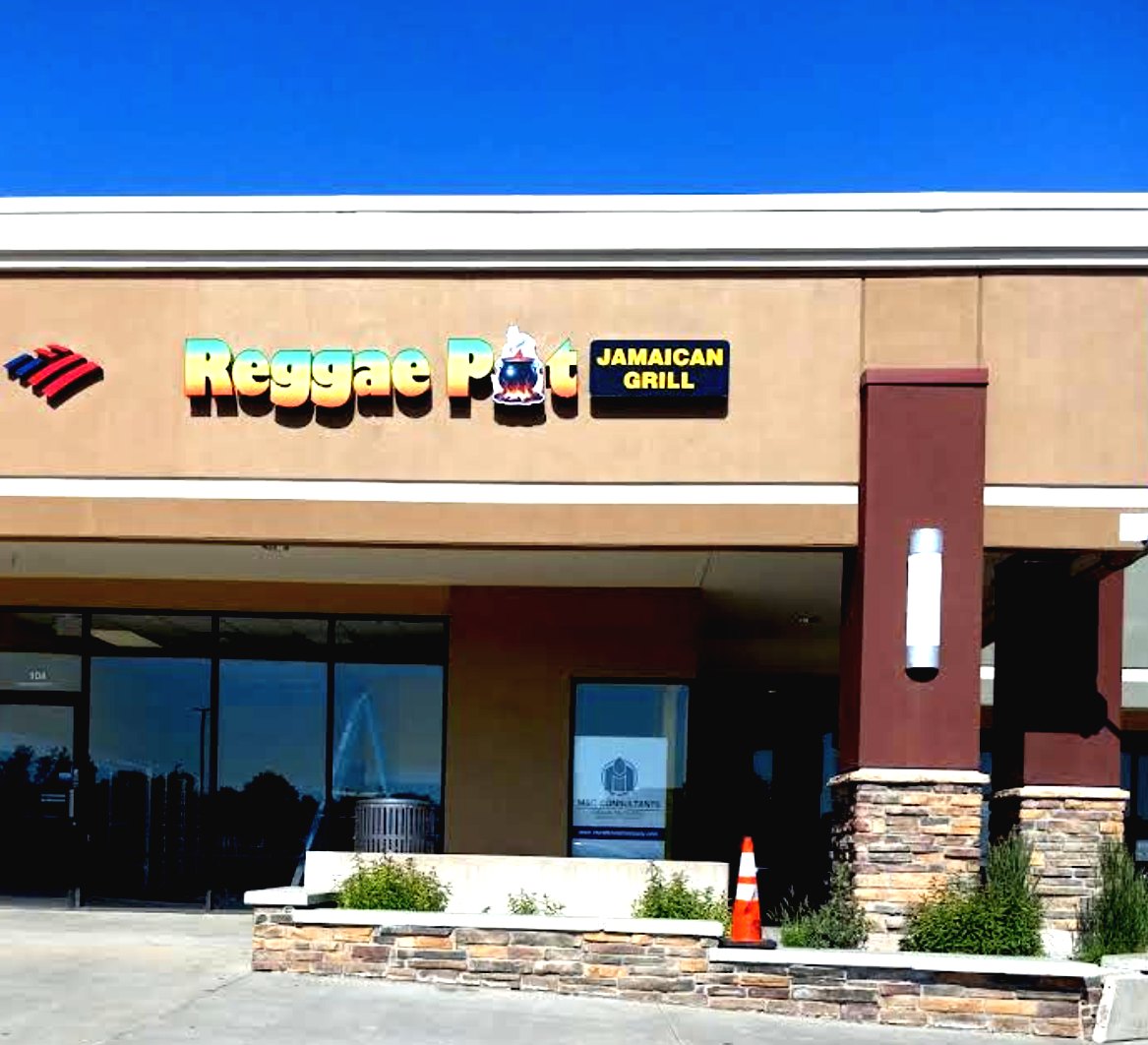
Reggae Pot Jamaican Grill
2243 S Monaco St Pkwy #104
Denver, CO 80222
+1 720-410-2956
FAQ About jamaican food
What is the best Jamaican food to try in Denver?
The best choice depends on your tastes. Popular options include jerk chicken, curry goat, slow-cooked oxtail, and savory patties. Reggae Pot lists these dishes on its menu, with sides such as rice and peas and plantains. Ask the Denver team about current availability and spice levels.
Is Jamaican food very spicy in Denver?
Heat varies by dish and preparation. Jerk seasoning often includes scotch bonnet peppers alongside herbs and allspice, while other dishes may have gentler seasoning. Ask about the heat of the specific dish and any sauce before ordering.
What are some popular Jamaican snacks?
Jamaican patties are a popular snack made with flaky pastry and savory meat or vegetable fillings. Other options include fried dumplings and festival, a sweet fried dough often served with savory dishes. Availability varies, so check the current menu when ordering.